Vegan Pad Thai
Authentic Thai flavors in this plant-based Pad Thai with rice noodles, tofu, and a tangy tamarind sauce.
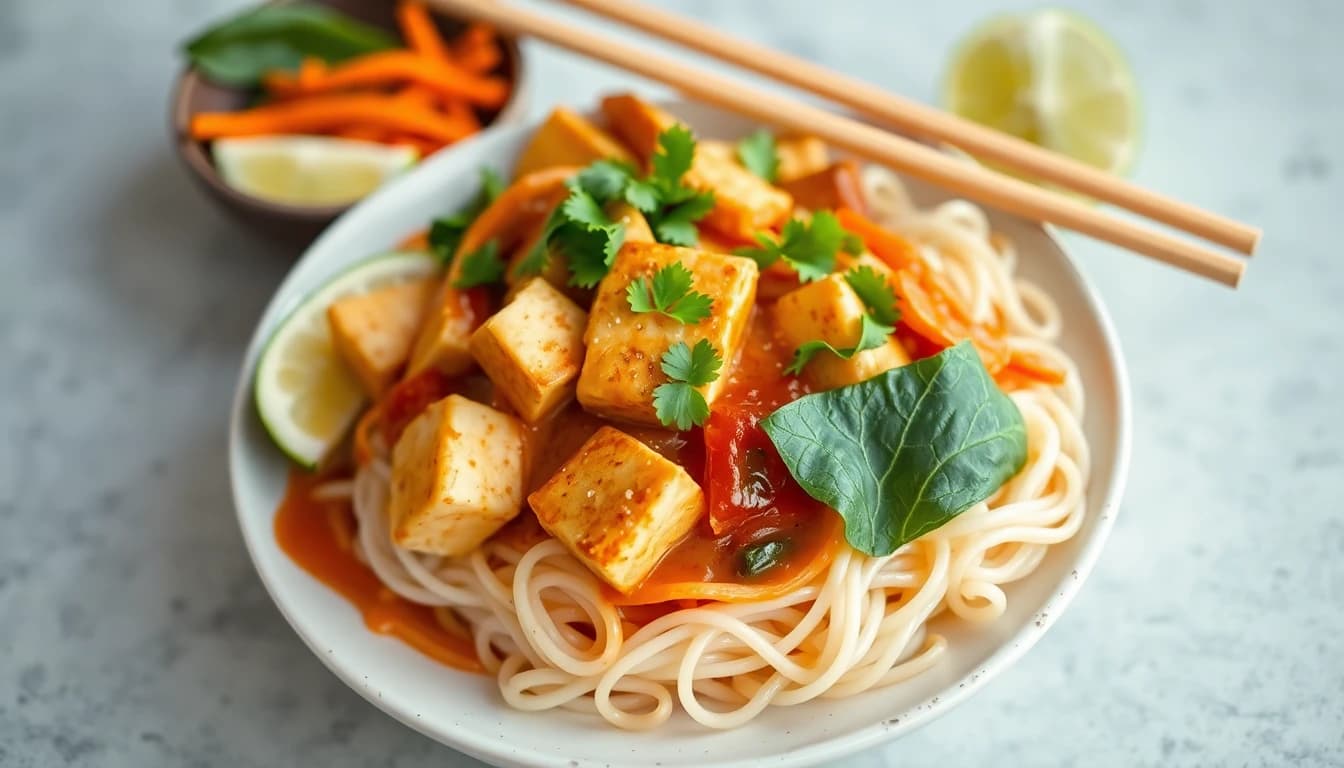
Experience the vibrant flavors of Thailand with this authentic vegan Pad Thai recipe from vegancooking.recipes.
This beloved street food classic gets a plant-based makeover without losing any of its signature sweet, sour, and savory complexity.
Our vegan Pad Thai features protein-rich tofu, fresh vegetables, and rice noodles all tossed in a perfectly balanced tamarind-based sauce.
Whether you're exploring vegan Thai cuisine, looking for a satisfying plant-based dinner option, or simply craving that perfect balance of flavors, this recipe delivers.
Pad Thai is one of the most popular Thai dishes worldwide, and our vegan version makes it accessible to everyone, regardless of dietary preferences.
The combination of tamarind paste, soy sauce, and fresh lime creates that authentic tangy flavor profile that makes Pad Thai so irresistible.
What Makes This Recipe Special
- ✓Made with simple, plant-based ingredients that are easy to find
- ✓No animal products - completely vegan and cruelty-free
- ✓Perfect for beginners and experienced cooks alike
- ✓Delicious results that everyone will love, vegan or not
Ingredients & Substitutions
**Rice Noodles**: Use flat rice noodles (pad thai noodles) for authentic texture. You can find them in the Asian section of most grocery stores. If unavailable, linguine works in a pinch. **Tofu**: Extra-firm tofu works best. Press it well to remove excess water for better browning. You can substitute with tempeh or add more vegetables if preferred. **Tamarind Paste**: This is essential for authentic Pad Thai flavor. Find it in Asian markets or online. If unavailable, you can substitute with lime juice and a bit of brown sugar, though the flavor won't be quite the same. **Soy Sauce**: Use regular soy sauce or tamari for gluten-free. You can also use coconut aminos for a soy-free option. **Vegetables**: Feel free to customize with your favorite vegetables - bell peppers, snap peas, or bok choy all work great.
Tips & Notes
- •Prep all ingredients before you start cooking - Pad Thai comes together very quickly once you begin.
- •Use a large wok or skillet to give the noodles room to move around while cooking.
- •Don't overcook the noodles - they should be tender but still have a slight bite (al dente).
- •Have your sauce mixed and ready to go before you start cooking.
- •Garnish generously with fresh herbs, crushed peanuts, and lime wedges for the best flavor.
- •If your noodles seem dry, add a splash of water or vegetable broth while stir-frying.
Recipe Variations
- •Add 1 cup of sliced bell peppers or snap peas for extra vegetables.
- •Use tempeh instead of tofu for a different protein option.
- •Add 1-2 tablespoons of sriracha or chili paste for a spicier version.
- •Include 1 cup of chopped pineapple for a sweet and tangy twist.
- •Substitute rice noodles with zucchini noodles for a lower-carb option.
- •Add 1/2 cup of chopped cashews along with the peanuts for extra crunch.
Storage & Freezing
Store leftover vegan Pad Thai in an airtight container in the refrigerator for up to 3 days. Reheat in a wok or large pan over medium heat, adding a splash of water or vegetable broth to prevent the noodles from sticking. You can also reheat in the microwave, but the texture is better when reheated on the stovetop. The noodles may soften slightly upon storage, but the flavor remains excellent.
Frequently Asked Questions
Can I make this Pad Thai without tamarind paste?
While tamarind paste gives authentic Pad Thai its signature tangy flavor, you can substitute it with 2 tablespoons of lime juice mixed with 1 tablespoon of brown sugar. The flavor will be slightly different but still delicious.
How do I prevent the noodles from sticking together?
Make sure to cook the rice noodles according to package directions and rinse them with cold water after cooking. Have all your ingredients prepped and ready before you start cooking, as Pad Thai comes together quickly.
Can I make this recipe gluten-free?
Yes! Use tamari instead of soy sauce, and make sure your rice noodles are gluten-free (most are naturally gluten-free). Check all sauce labels to ensure they're gluten-free.
What can I substitute for tofu?
You can use tempeh, seitan, or simply add more vegetables like bell peppers, snap peas, or mushrooms. The recipe is very flexible with protein options.
How do I store leftover Pad Thai?
Store leftovers in an airtight container in the refrigerator for up to 3 days. Reheat in a wok or large pan with a splash of water or vegetable broth to prevent sticking.
Rate this Recipe
Loading votes...
You May Also Like

Vegan Chickpea Curry
Hearty and flavorful Indian-inspired curry with chickpeas, tomatoes, and aromatic spices. Perfect served over rice.
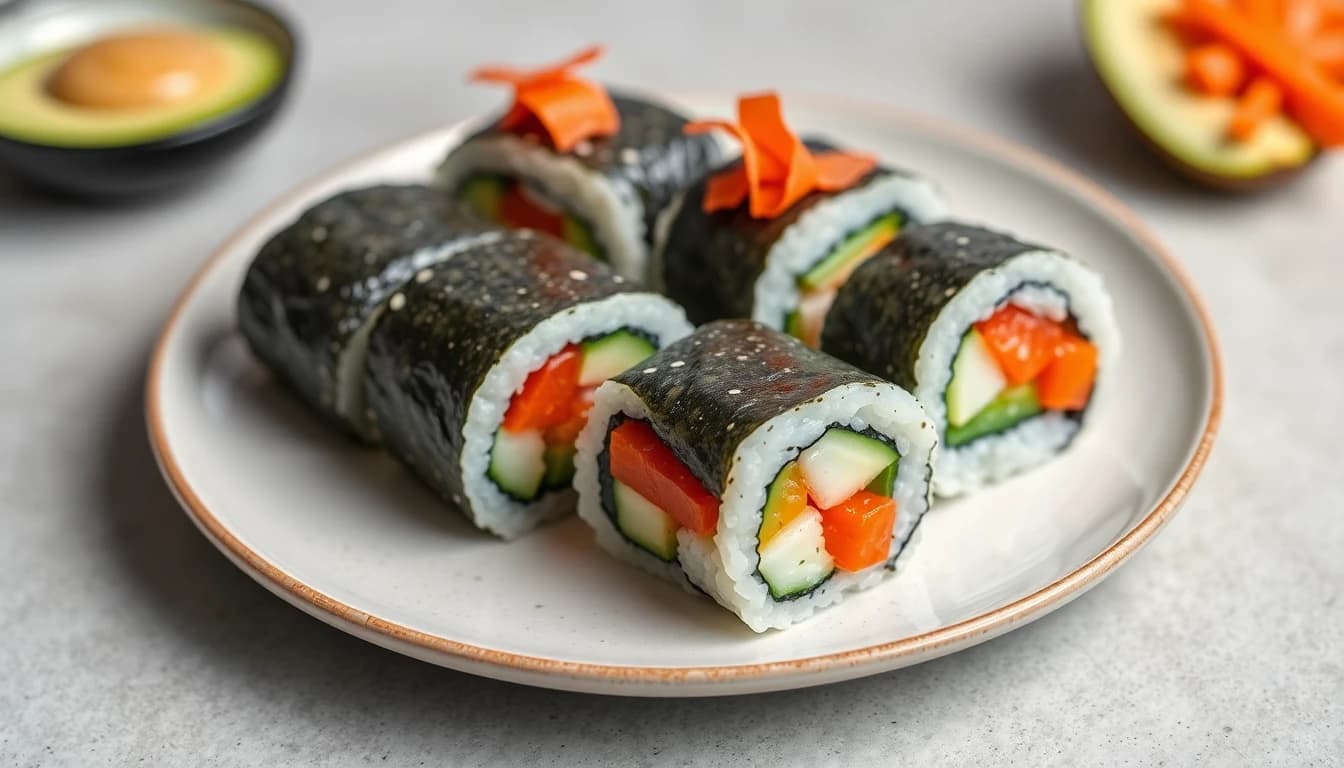
Vegan Sushi Rolls
Beautiful and delicious vegan sushi rolls with avocado, cucumber, and pickled vegetables. Perfect for lunch or a light dinner.
Authentic Thai flavors in this plant-based Pad Thai with rice noodles, tofu, and a tangy tamarind sauce.
Ingredients
Instructions
- 1
Cook rice noodles according to package directions. Drain and set aside.
- 2
In a small bowl, mix together lime juice, tamarind paste, soy sauce, and brown sugar to make the sauce.
- 3
Heat oil in a large wok or skillet over medium-high heat. Add tofu and cook until golden brown on all sides, about 5-7 minutes.
- 4
Add garlic and cook for 30 seconds until fragrant.
- 5
Add carrots and bean sprouts, stir-fry for 2-3 minutes.
- 6
Add cooked noodles and sauce. Toss everything together and cook for 2-3 minutes until well combined.
- 7
Garnish with green onions, crushed peanuts, and cilantro. Serve immediately with lime wedges.
Comments
Loading comments...